



RELATED POSTS
Other posts you may be interested in
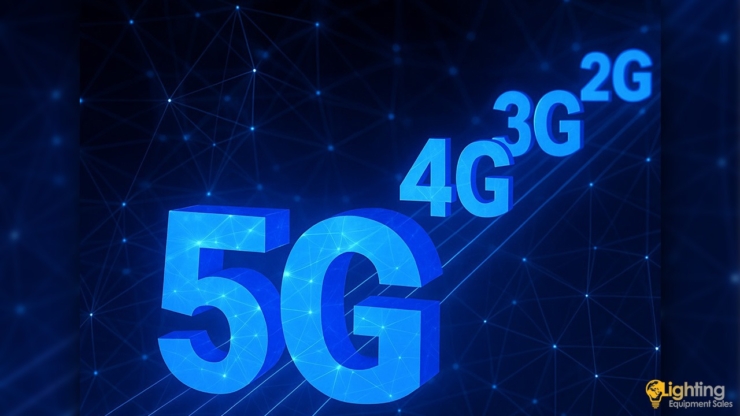
5G is the next-generation wireless network technology expected to significantly impact the way people live and work. The journey that began with 1G has now reached an entirely new level with 5G. So, what exactly is 5G, how does it differ from previous generations, and what innovations will it bring to our lives?
From Previous Generations to 5G
Each new generation of wireless networks has brought significant improvements in speed. The fifth-generation cellular network technology, 5G, takes this one step further by offering much higher speeds compared to 4G LTE.
With speeds projected to reach up to 10 Gbps, 5G provides connections nearly 100 times faster than 4G. This dramatic improvement brings exciting opportunities for consumers in everyday use. Thanks to its high speed, users will save time and enjoy a much more efficient internet experience.
Latency refers to the time it takes for a signal to travel from its source to the receiver and then return to the source. One of the most important advantages of 5G is its low latency. While the average latency in 4G networks is 30–50 milliseconds, 5G can reduce it to as low as 1–5 milliseconds. This makes a huge difference for applications that require real-time communication.
Compared to 4G, 5G offers up to 1,000 times more capacity, creating a strong infrastructure for the Internet of Things (IoT). Together, 5G and IoT are seen as a perfect match that will fundamentally change how wireless networks and the internet are used.
In addition, 5G allows a massive number of devices to connect simultaneously. This makes it possible for millions of sensors, traffic lights, and cameras in smart cities to exchange data seamlessly. On top of that, 5G connections are more reliable and stable, making them suitable for critical areas such as healthcare, transportation, and defense.
5G networks combine high speed with increased capacity, allowing much more data to be transmitted compared to 4G LTE. This enables faster downloads, uninterrupted video streaming, and stronger performance in data-heavy applications.
Unlike traditional 4G networks, 5G is designed with a new architecture. This new design ensures that network traffic is managed more efficiently and that performance remains stable even during periods of heavy use. As a result, both individuals and businesses benefit from a more stable and higher-quality connection.




COMMENTS
MAKE A COMMENT