



RELATED POSTS
Other posts you may be interested in
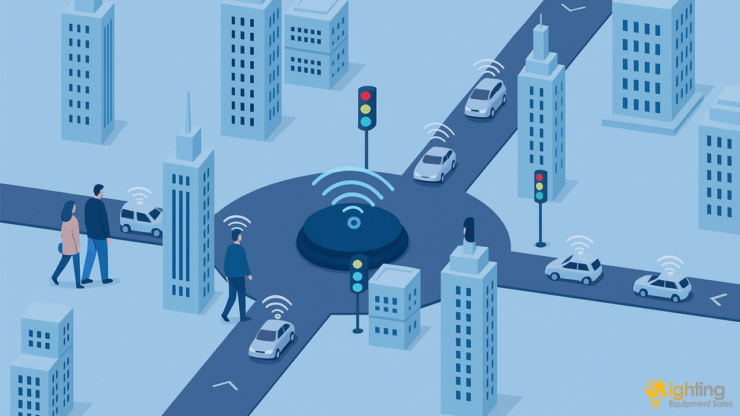
As smart cities and autonomous vehicles become increasingly widespread today, the ability of these systems to communicate with each other securely and rapidly is more critical than ever. This is where Dedicated Short-Range Communication (DSRC) technology comes into play.
What is DSRC (Dedicated Short-Range Communication)?
DSRC is a short-range, highly reliable, fast, and low-latency wireless communication technology based on the IEEE 802.11p standard. It enables vehicles to communicate with each other (V2V – Vehicle to Vehicle) and with road infrastructure (V2I – Vehicle to Infrastructure). Operating in the 5.9 GHz frequency band, DSRC allows vehicles to exchange data dozens of times per second. This enables the detection and prevention of potential hazards within milliseconds.
Where is DSRC Used?
🔁 1. Vehicle to Vehicle (V2V)
When a vehicle brakes suddenly, the vehicle behind can instantly receive this information and either alert the driver or activate automatic braking.
🏗️ 2. Vehicle to Infrastructure (V2I)
Traffic light systems that switch red lights to green for approaching ambulances are powered by DSRC technology.
🚶♂️ 3. Vehicle to Pedestrian (V2P)
A vehicle approaching a pedestrian crossing can detect a pedestrian who is sending a signal via a mobile device and slow down automatically.
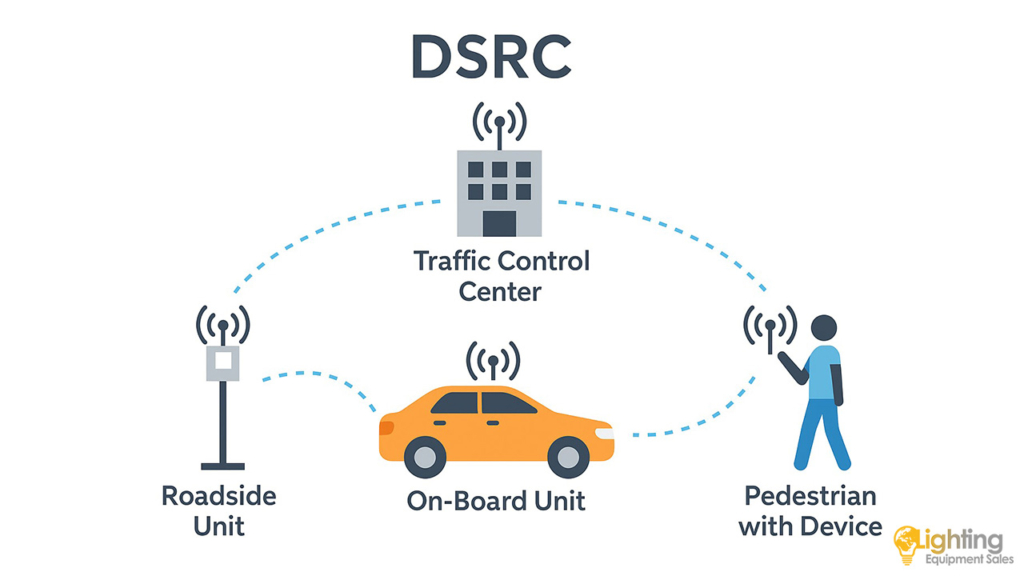
How Does DSRC Work?
The DSRC system consists of three main components:
These devices communicate with each other using the IEEE 802.11p standard, enabling rapid, connectionless communication. This means that vehicles can transmit data without needing to establish a connection, making the system extremely fast and efficient.
What Are the Benefits of DSRC?
DSRC technology enhances traffic safety by detecting potential accidents early and alerting drivers. It also optimizes traffic flow, reducing delays and saving time. By giving priority to emergency vehicles, it allows ambulances and fire trucks to reach incidents more quickly. Additionally, by minimizing unnecessary braking and acceleration, it lowers fuel consumption and reduces environmental impact. In this way, DSRC is an innovative transportation technology that provides significant benefits both individually and socially.



COMMENTS
MAKE A COMMENT