



RELATED POSTS
Other posts you may be interested in
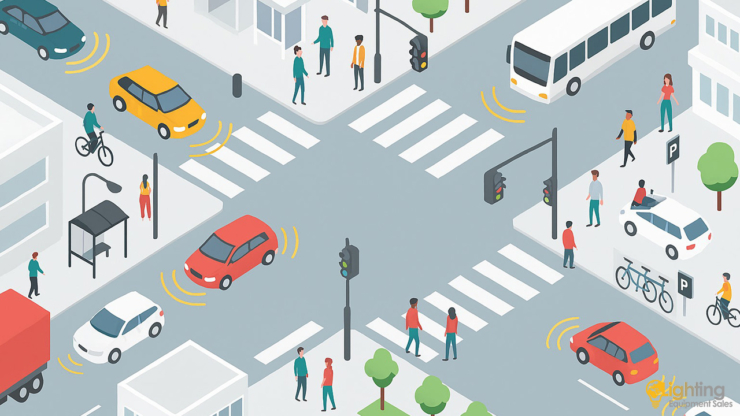
With the advancement of technology, significant changes are taking place in our lives. One of the most striking examples of this change is smart and autonomous systems. These systems, which appear in many areas from daily life to industry, from agriculture to defense, are developed to speed up business processes, reduce human error, and increase efficiency.
Smart systems can be defined as structures that can perceive their environment, collect data, analyze this data to make decisions, and take action based on these decisions. In such systems, sensors, software algorithms, and various control components work together. For example, in a smart home system, the automatic activation of lights when motion is detected in a room or the operation of an air conditioner based on room temperature is a typical behavior of a smart system. Such smart systems will make us safer and more comfortable, enabling us to perform daily tasks more efficiently. In addition, smart systems that interact with humans must do so in an ethical and transparent manner.
Autonomous systems, on the other hand, go one step beyond smart systems by being able to perform tasks without human intervention. They must be able to cope with unexpected situations, anticipate and overcome errors, handle uncertainties intelligently, and learn from the experiences they gain. These systems are generally equipped with technologies such as artificial intelligence, machine learning, and computer vision. Autonomous systems need to operate reliably in a wide variety of situations. Imagine an autonomous vehicle: it detects traffic signs, follows lanes, recognizes pedestrians, and performs all these tasks without the need for a driver. Similarly, a drone that moves according to a predefined mission route and can avoid obstacles in its surroundings is also considered an autonomous system.
Today, these two systems are coming together to form more powerful and effective structures. In other words, if a system can both perceive its environment and make decisions to act independently, it becomes a smart and autonomous system.
Smart and autonomous systems are used in many fields, such as transportation, agriculture, defense, energy, healthcare, and manufacturing. Self-driving cars, autonomous warehouse robots, smart city infrastructures, medicine-dispensing robots, and smart meters that analyze energy consumption are some applications of this technology. These systems not only increase efficiency but also enhance safety, reduce the need for human labor, and lower costs.
However, as with any technology, the spread of these systems also raises some concerns. Issues such as data security, ethical decision-making mechanisms, and the reliability of systems must be addressed carefully. To maximize the benefits of technology, it is crucial to develop these systems responsibly.
In conclusion, smart and autonomous systems are among the most important technology trends of today and the future. Offering new opportunities in both our personal lives and business, these systems have become one of the cornerstones of digital transformation. Following developments in this field and adapting to their applications is a critical step for anyone seeking a competitive advantage.




COMMENTS
MAKE A COMMENT